Guitar Presentation
Different Kinds of Guitars
A quick visual guide to the design choices that shape how a guitar looks, feels, sounds, and fits a player.
1. Popular Shapes
Popular because it is comfortable, balanced, and versatile. The contoured body sits well against the player and works in many genres.
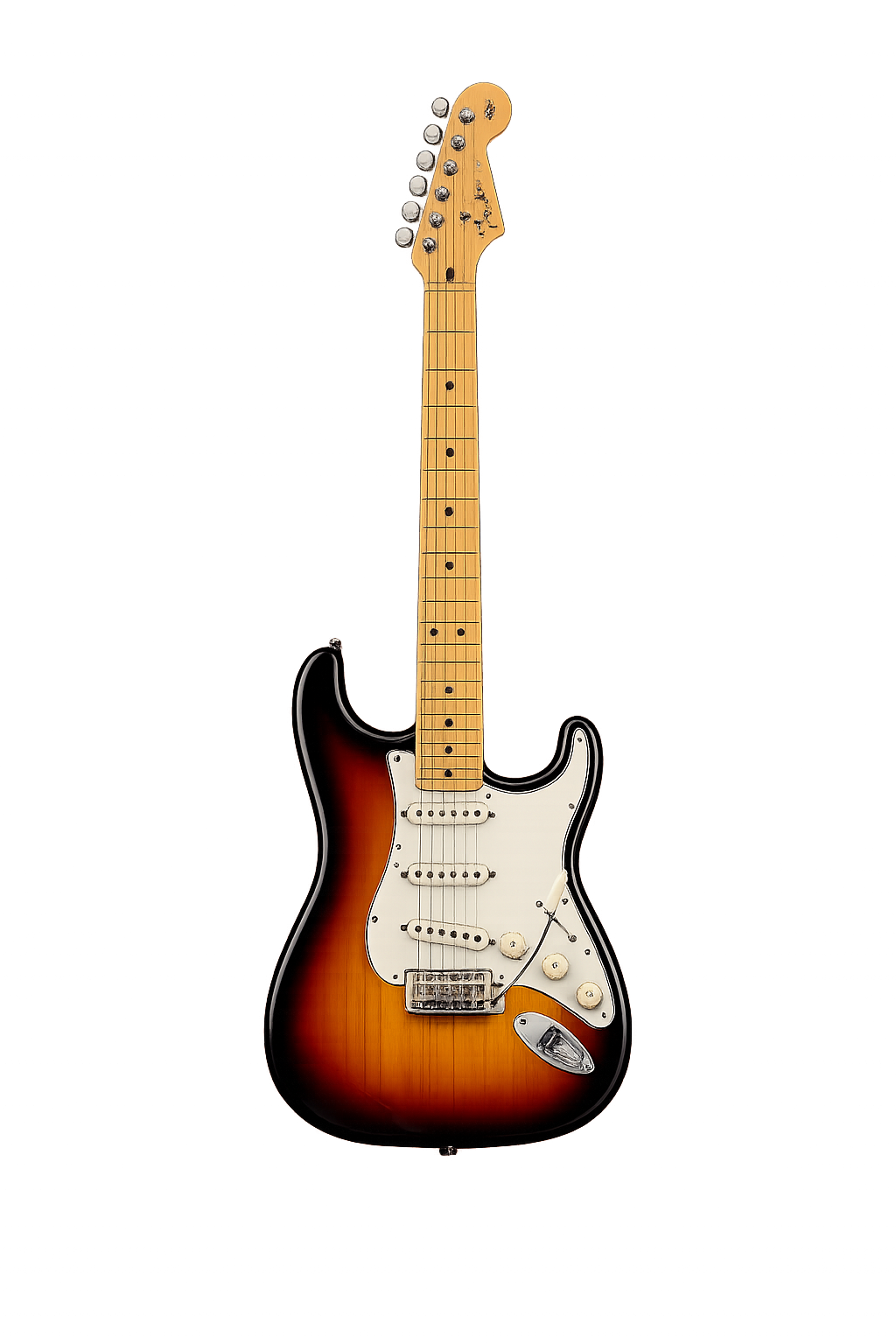
Known for: Jimi Hendrix, Eric Clapton, John Mayer.
Popular because it is simple, durable, and clear-sounding. Its straightforward design made it easy to build, repair, and trust on stage.
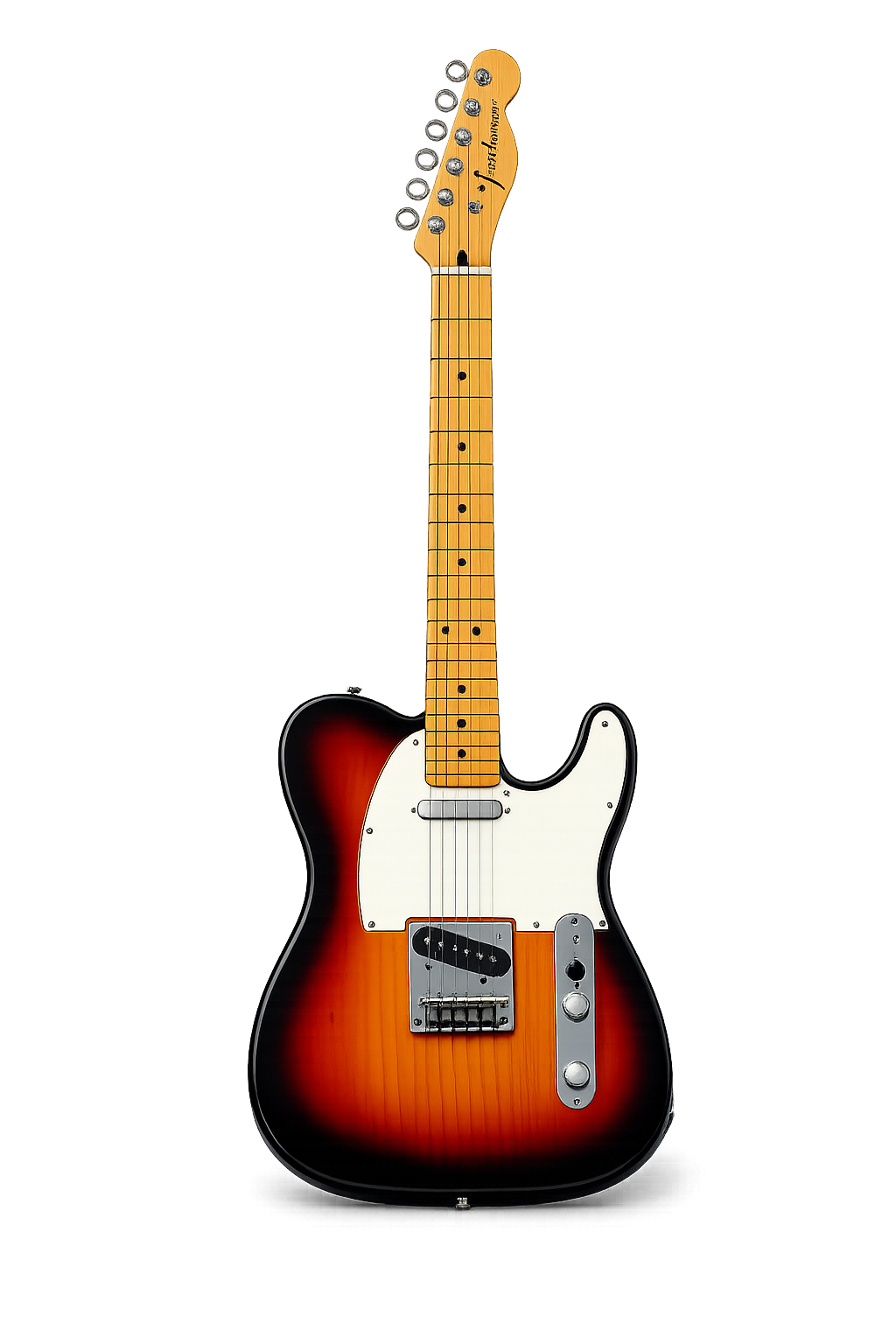
Known for: Keith Richards, Bruce Springsteen, Brad Paisley.
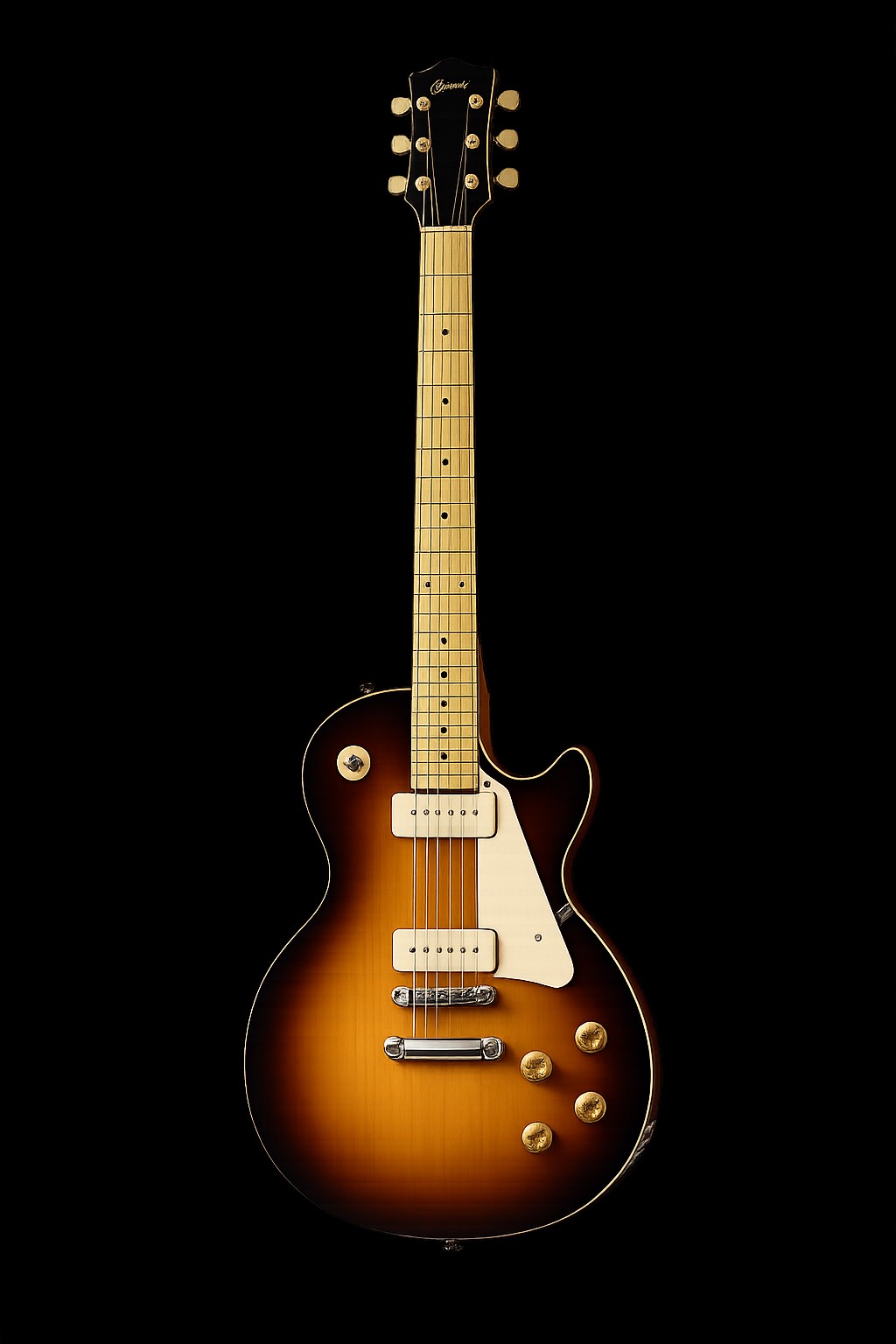
Popular because it feels solid and looks premium. Many players connect the single-cut body with sustain, power, and classic rock tone.
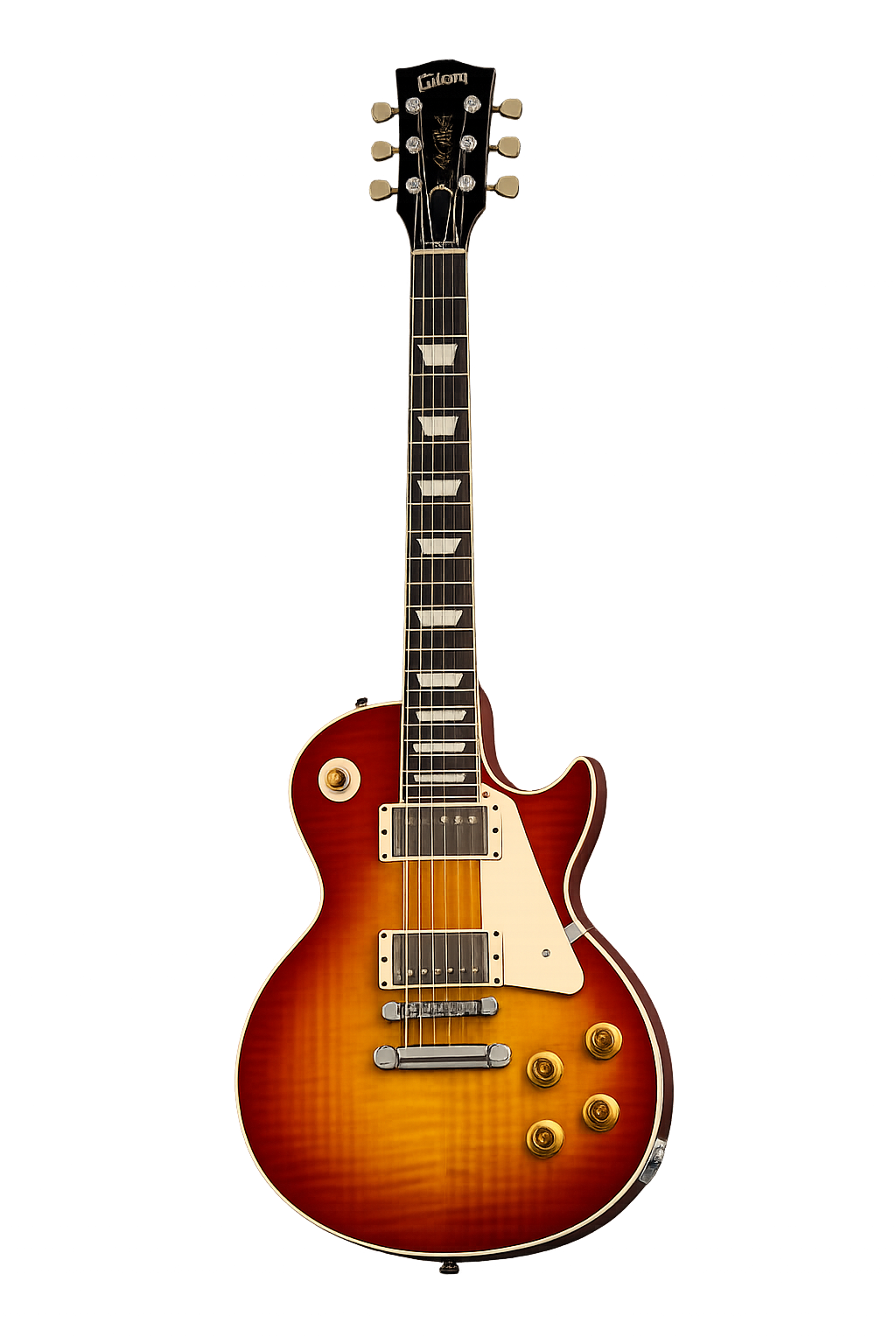
Known for: Jimmy Page, Slash, Randy Rhoads.
Popular because it is thinner and lighter than many carved-top guitars, while still delivering an aggressive look and strong midrange voice.
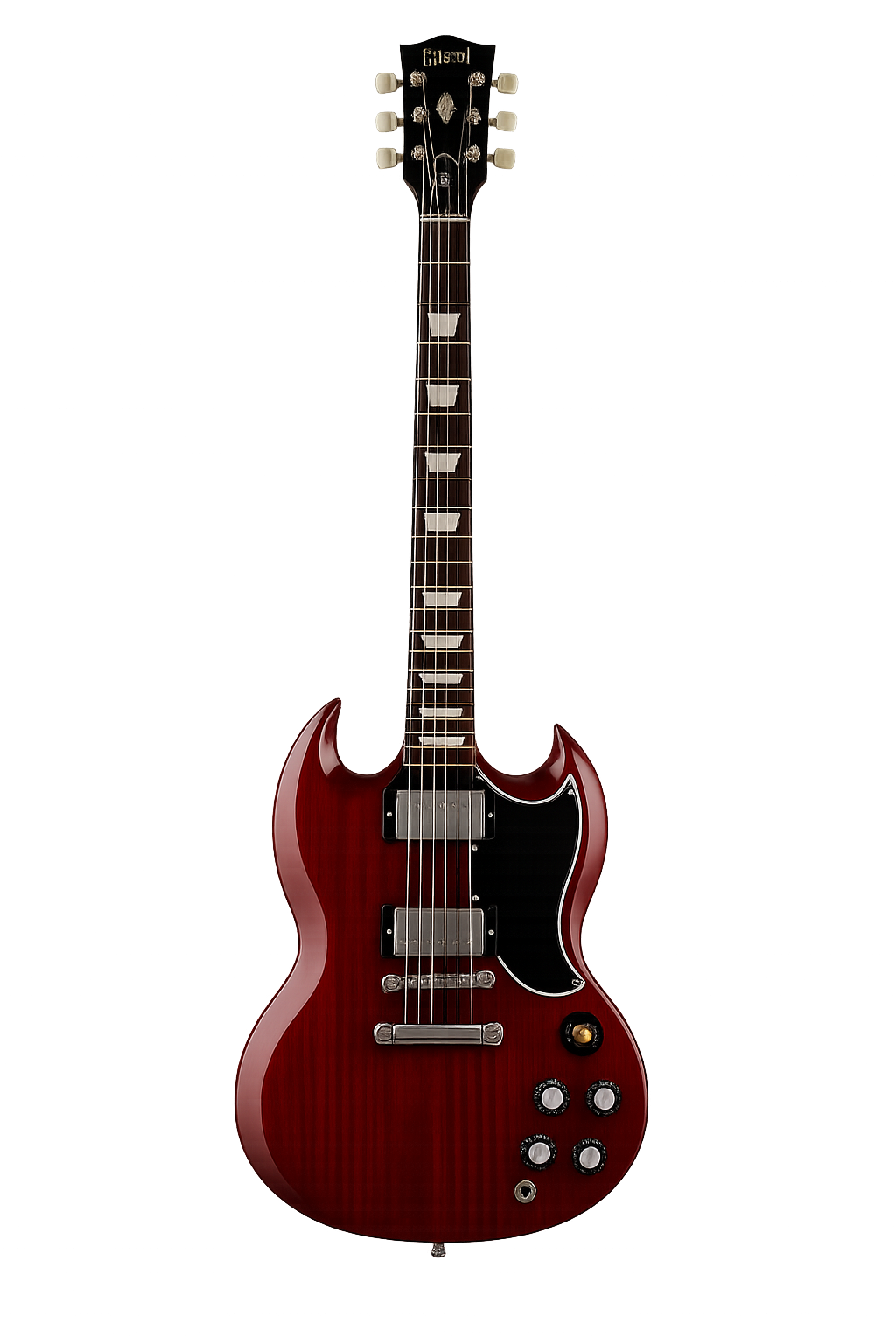
Known for: Angus Young, Tony Iommi, Derek Trucks.
Popular with modern players because it supports faster playing, deeper cutaways, and hardware aimed at rock and metal performance.
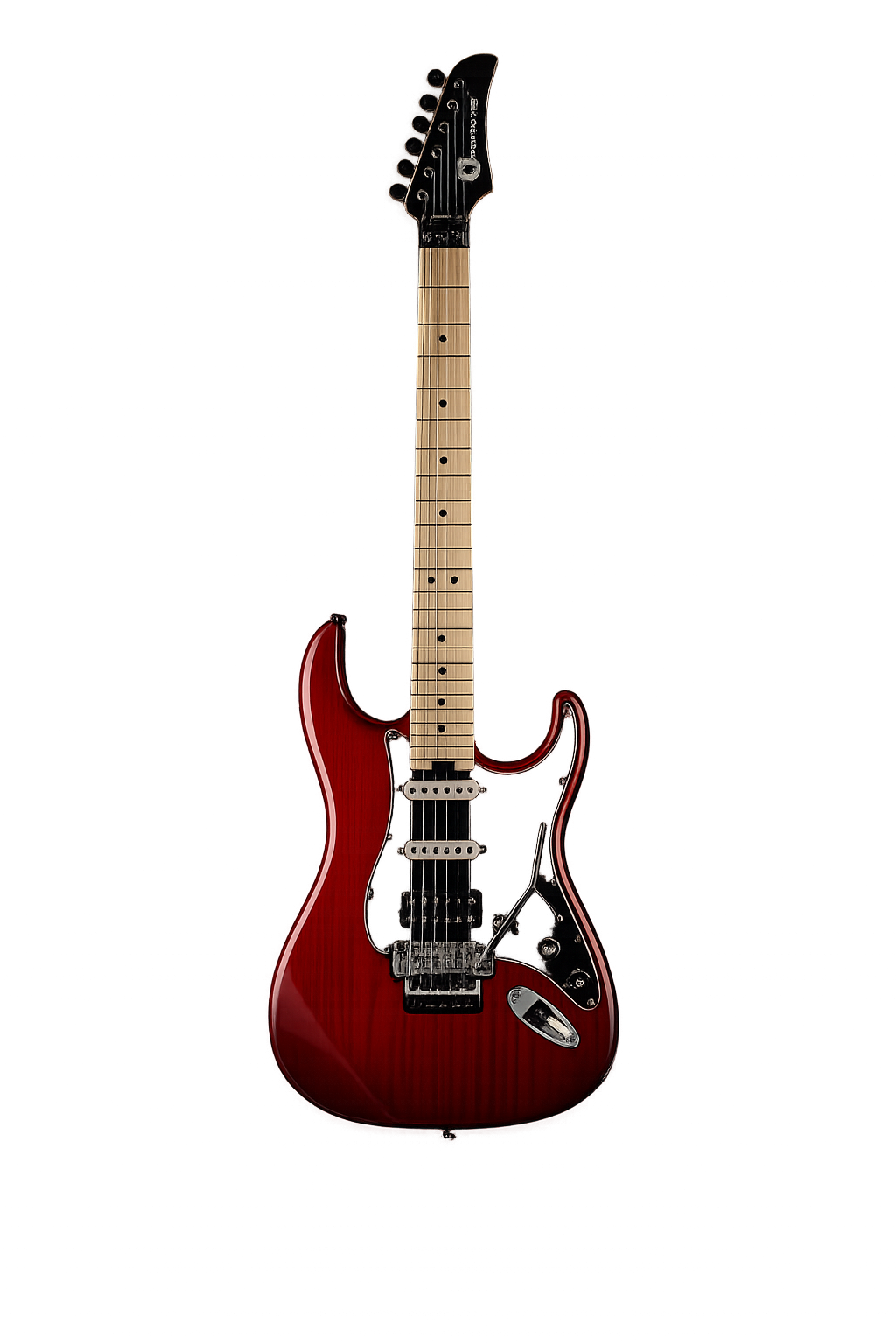
Known for: Steve Vai, Joe Satriani, Paul Gilbert.
Popular because it blends hollow-body resonance with solid-body control. Players like it for warm cleans, blues, rock, and expressive midrange tone.
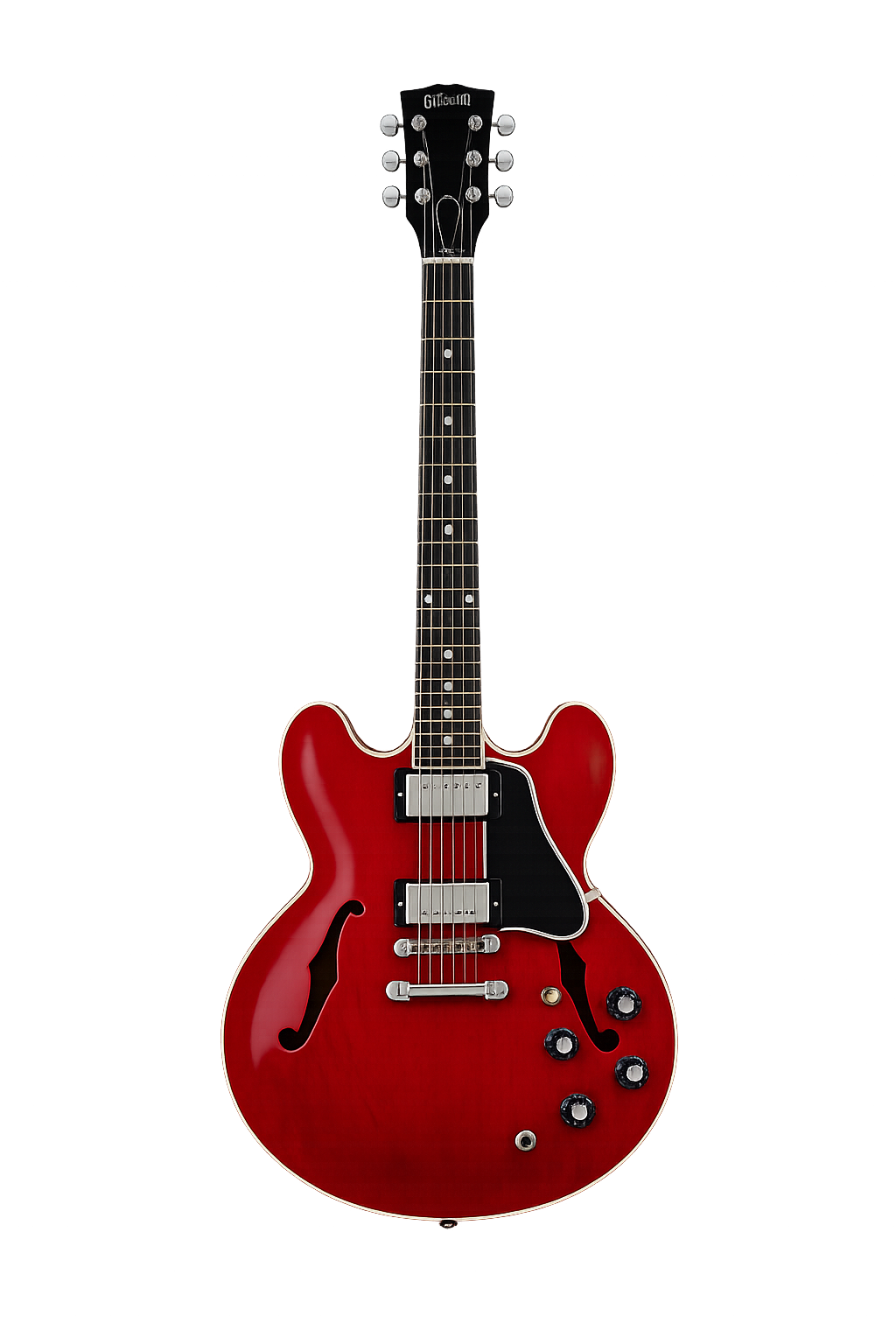
Known for: B.B. King, Larry Carlton, Dave Grohl.
Big idea: Popular shapes survive because they solve common problems well: comfort, balance, visual identity, and reliable tone.
5. Woods
Often used in solid body electrics because they are workable, common, and balanced. Many players describe them as even-sounding and practical.
Often chosen for warmth, weight, and a thicker-feeling response. It is common in guitars built for punchy mids and strong sustain.
Very common for necks because it is stable and strong. Maple tops are also popular on premium guitars for brightness and visual flair.
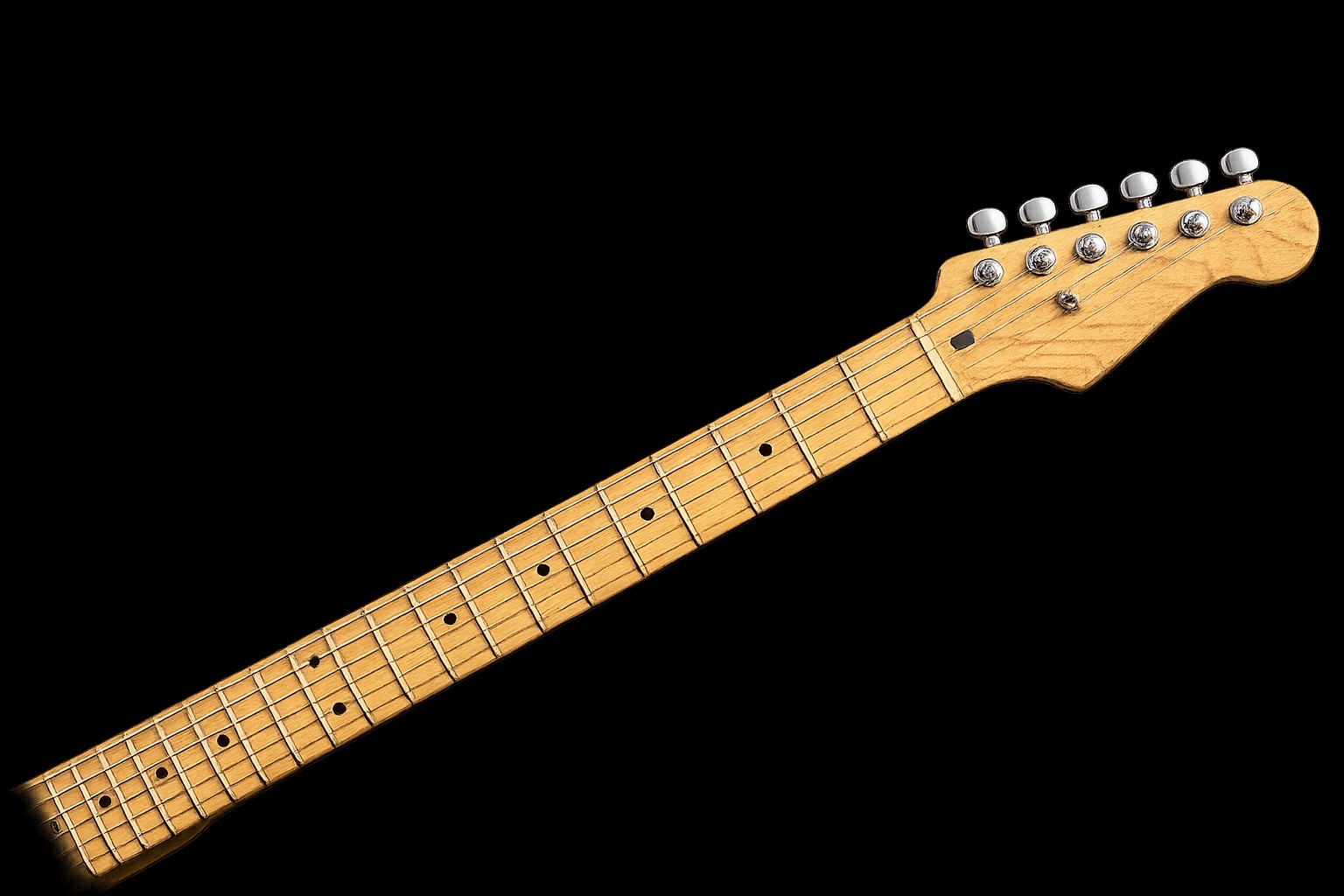
Known for attractive grain and lively attack, but weight can vary a lot. Some players love it for snap and visual character.
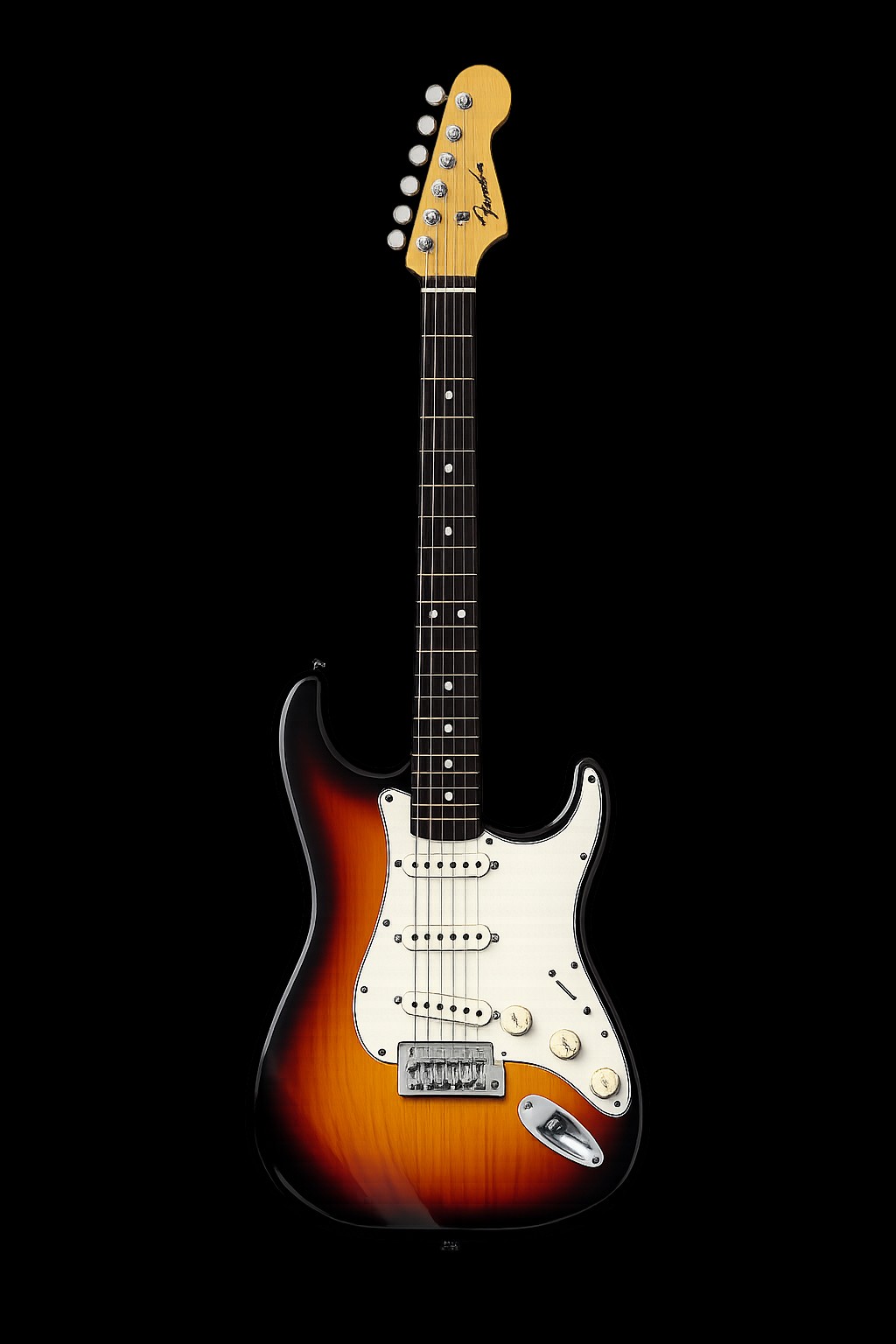
Common fingerboard woods. Rosewood tends to feel smooth and familiar; ebony often feels slick, dense, and fast under the fingers.
Spruce is popular for strong projection and headroom. Cedar is often valued for a warmer, more immediately responsive feel.
Important caution: Wood affects weight, stiffness, and response, but on electric guitars the pickups, construction, and setup often matter more than wood alone.
7. Pickups
A pickup is the part that senses string vibration and turns it into an electrical signal for the amplifier.
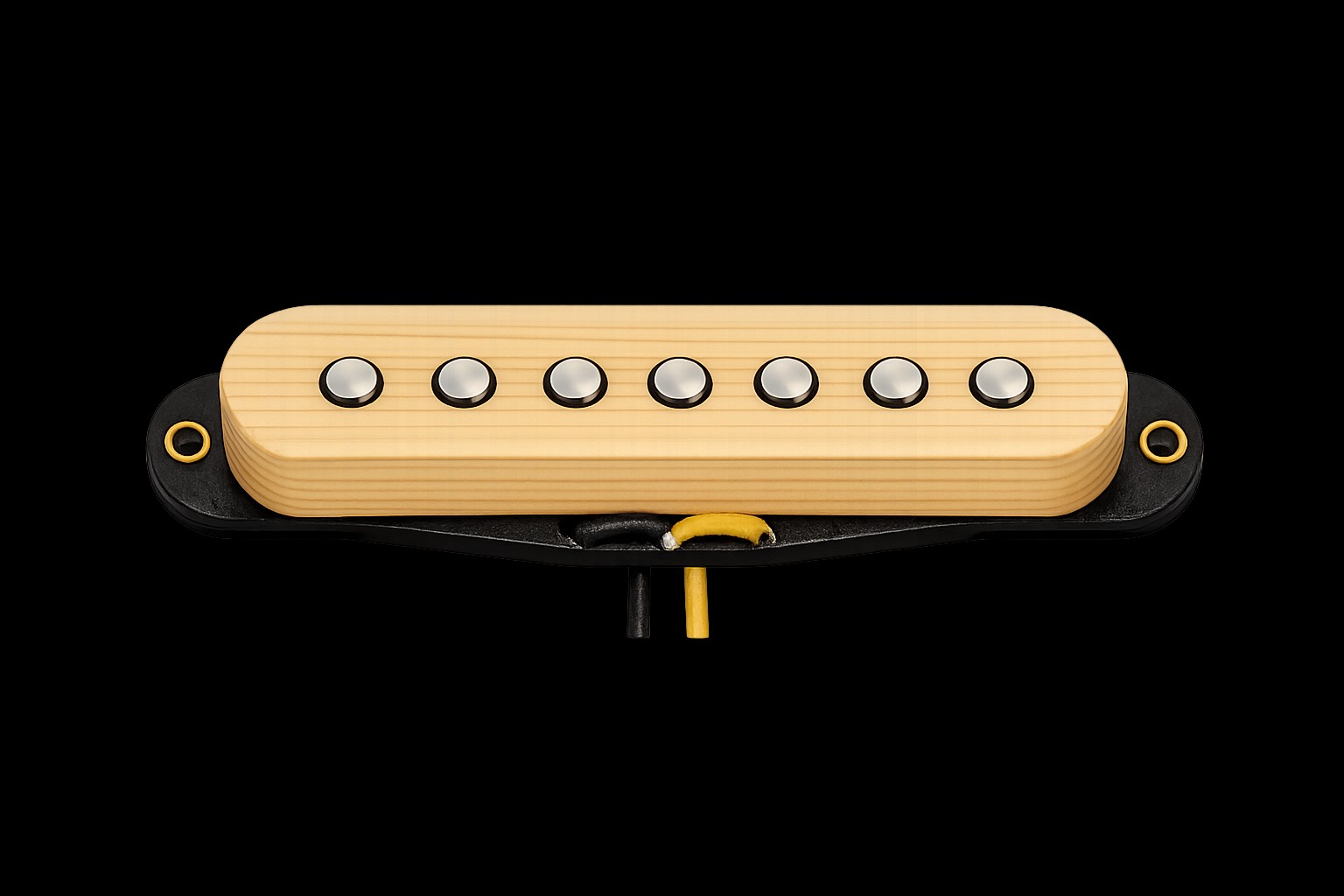
Bright, clear, and detailed. Famous for sparkle and attack, but can also pick up electrical noise.
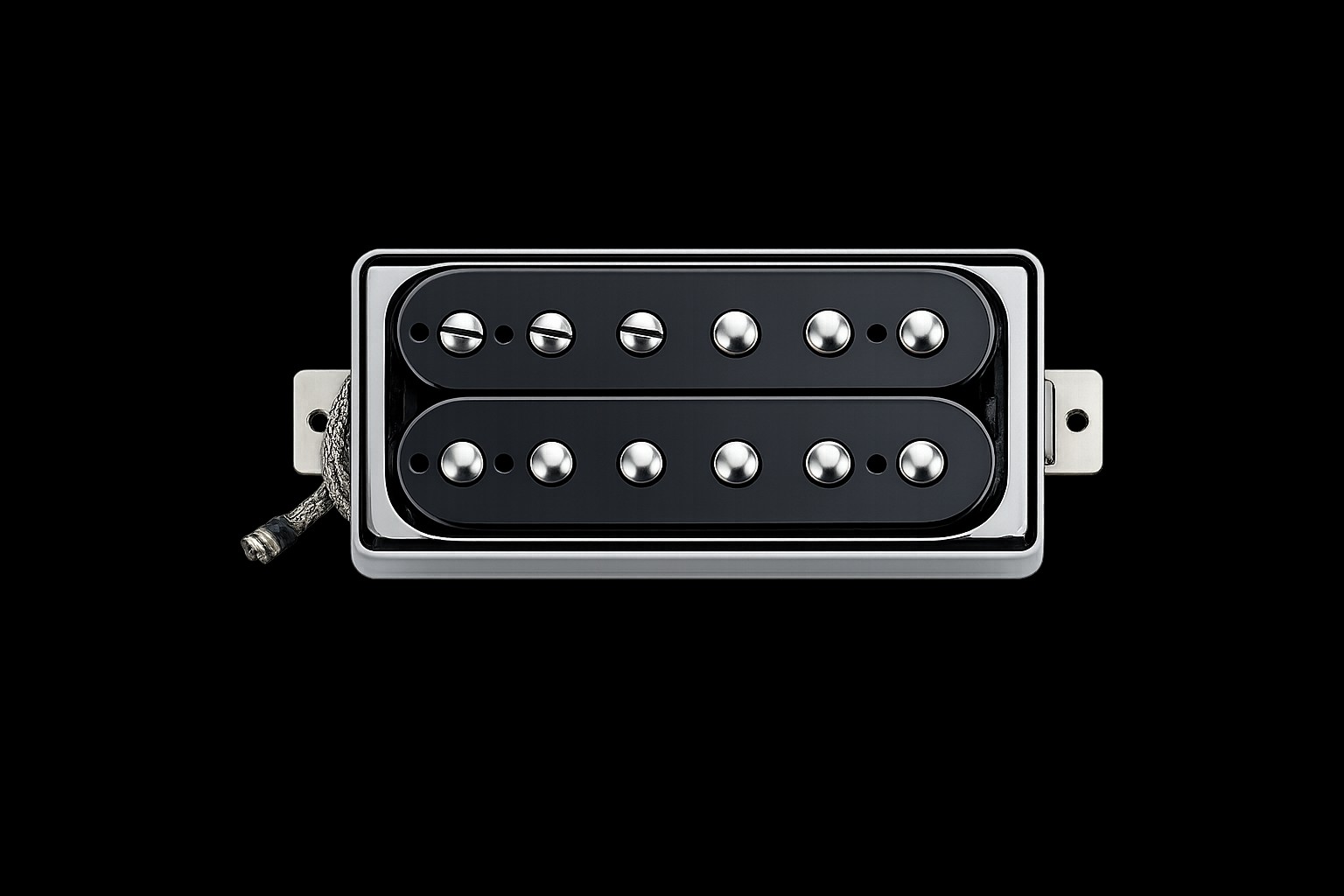
Uses two coils to reduce hum. Usually thicker, louder, and smoother than a typical single-coil.
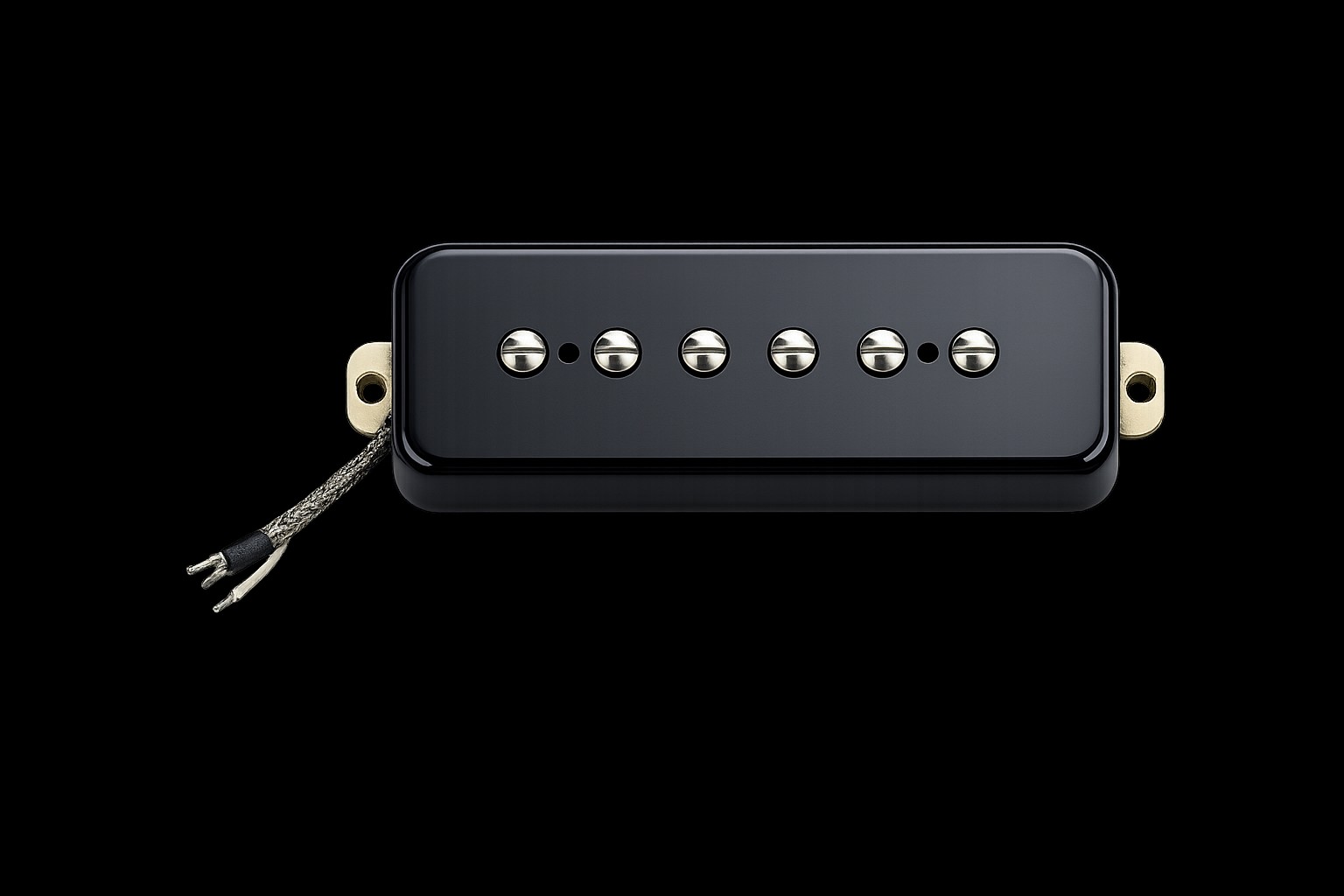
A single-coil design with more midrange push and grit. Many players hear it as a bridge between classic single-coils and humbuckers.